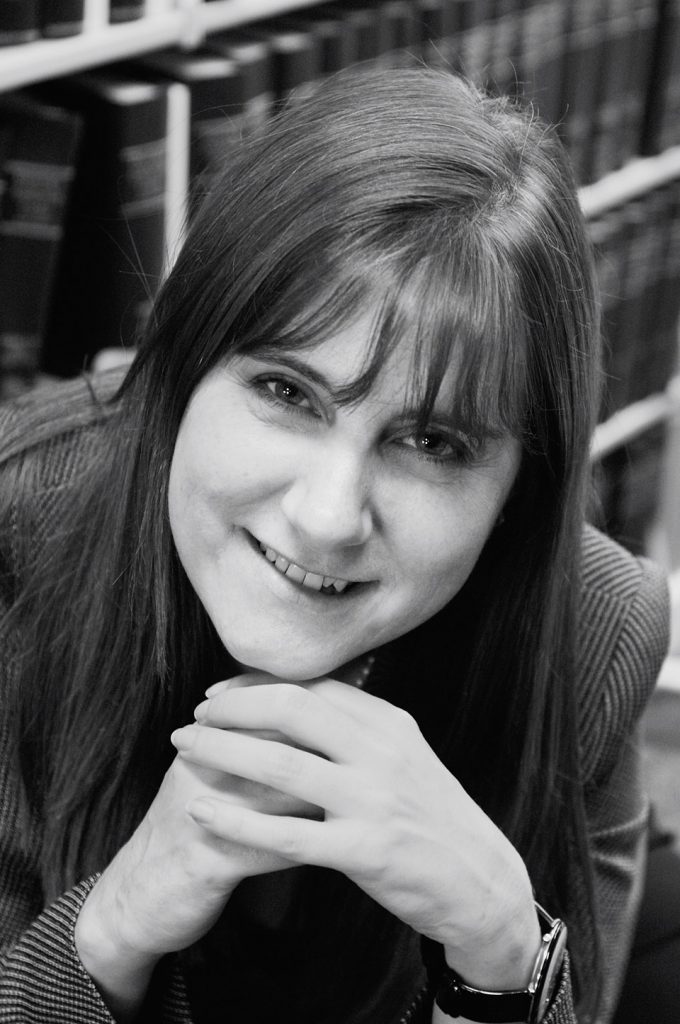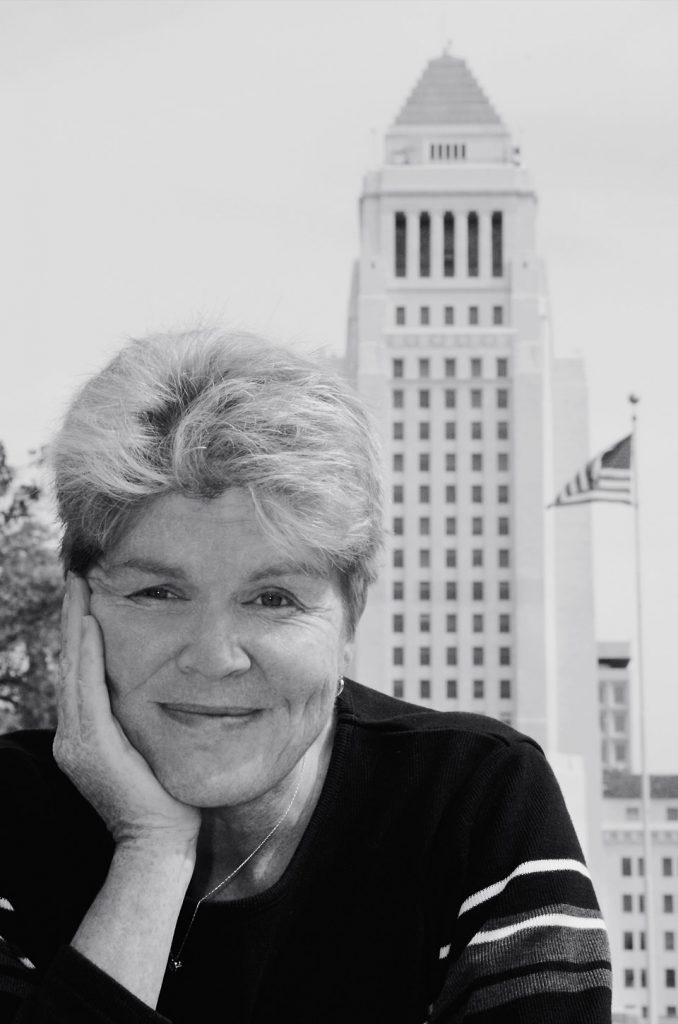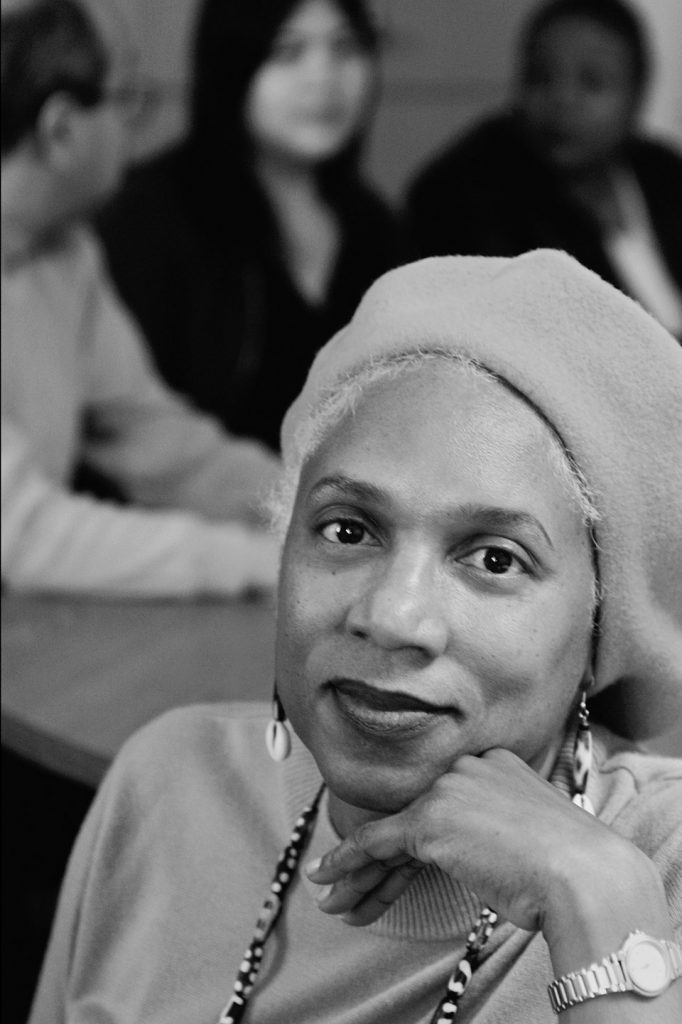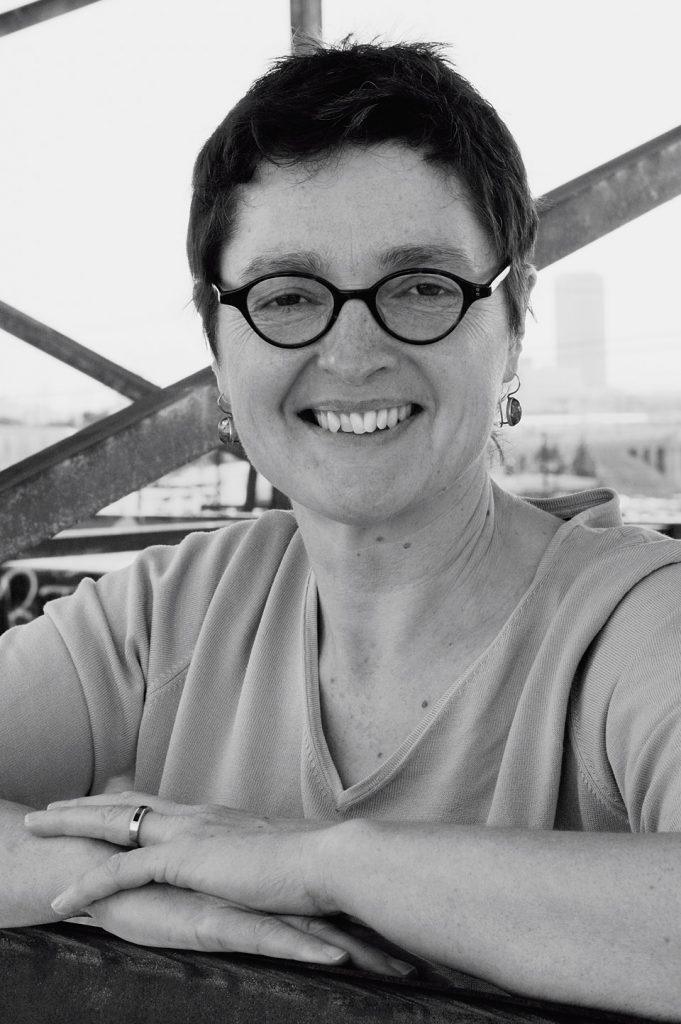
Beth Steckler is the former Policy Director of Livable Places, Inc., an organization that promoted a more livable and sustainable Los Angeles through planning and by building urban residences that demonstrated efficient land use, green space, and public transit access. Beth’s project led her to different communities around the nation that have successfully generated public dialogue around sustainable communities and translated it into local action.
“I want to find out how other cities have made community members an integral part of figuring out the answers to the big-picture questions about how we grow,” said Beth.
* Beth is now retired.
Fellowship Summary
As a Stanton Fellow, my project was to explore the feasibility of launching a public dialogue on population growth and development in Los Angeles.
Los Angeles is expected to grow by about a third by the year 2030. Most of this growth will be from people who already live here having children. Where will everyone live? Where will they work? Where will they go to school? Where will they play? How will we all get around? With traffic snarled, rents and home prices out of reach, and air quality worsening, Los Angeles appears ill-prepared for the challenge of creating livable communities for our children.
Development is a hot issue in Los Angeles, but there isn’t much consensus on where we are going. Instead, critical issues such as affordable housing construction, public transit, and air quality are mired in piecemeal decision making. Planning in Los Angeles is badly fragmented. The Metropolitan Transportation Authority, City Planning Department, Los Angeles Unified School District, and other regional agencies all have a role in it. Effectively planning for our future means having some agreement on the big picture so that the various public agencies can work together to improve the quality of life in Los Angeles.
My project was to investigate whether a public dialogue around possible big-picture strategies for growth and development would be an effective way to reach some consensus to guide growth. With almost four million people living in the City of Los Angeles and nearly 10 million in the County, civic engagement is a challenge. The idea is to lay out the information about a range of realistic choices and the likely consequences of those choices so that people can work through the tradeoffs involved.
First, in looking at the literature, I found that people across the country are trying to figure out how to meet today’s needs without compromising the ability of future generations to meet theirs. Some communities are using the Three E’s—environmental quality, economic vitality, and social equity—to guide the creation of a vision and plans for achieving it. This multi-pronged goal setting seems appropriate for Los Angeles. I also found a rich body of literature on dialogue, deliberation, and civic engagement, with the National Coalition on Dialogue and Deliberation’s website being a great introduction to the range of theories, techniques, and experts in the field.
With an eye on what might work in Los Angeles, I investigated public engagement efforts in other cities. I read about strategies, investigated the tools, and reviewed the few evaluation studies available. I was able to talk with some of the people who put together the efforts in Salt Lake, Sacramento, Portland, and the San Francisco Bay Area. I met with community-based housing and transportation advocates who participated in Chicago’s Metropolis 2020. I also attended two national conferences that brought together people working on civic engagement at various levels, from small towns to large regions.
The most exciting tool I found for potential use in Los Angeles was MetroQuest, developed in Vancouver by Envision. MetroQuest allows people to engage without attending a meeting and has actually increased meeting attendance when used in other areas. By logging onto a website, people can choose different development scenarios and see the impact of those decisions on such things as water consumption, loss of open space, carbon load, jobs, housing, etc. It’s a powerful tool for helping people grapple with the complexities of planning with multiple and often conflicting goals.
From my investigation, I concluded that a successful public dialogue in Los Angeles would need to be a well-funded, multi-year project in partnership with the City of Los Angeles that engaged a broad cross section of the city’s diverse population and institutions. The City’s commitment to adopting and implementing the dialogue’s results is critical to foster involvement.
Los Angeles’s size presents a significant challenge to civic engagement not encountered in small towns and medium-sized cities where public workshops are standard. Such a large-scale dialogue would require an estimated $2 to $3 million in order to fund the coordination of a steering committee, organization of outreach events, usage of MetroQuest, and working with the media.
The Durfee Stanton Fellowship allowed me the opportunity to study public dialogues in other cities, to investigate different tools and approaches, and to outline a draft plan for launching such a dialogue locally. I hope that within a couple of years, the City of Los Angeles will be in the position to commit to forming such a partnership.