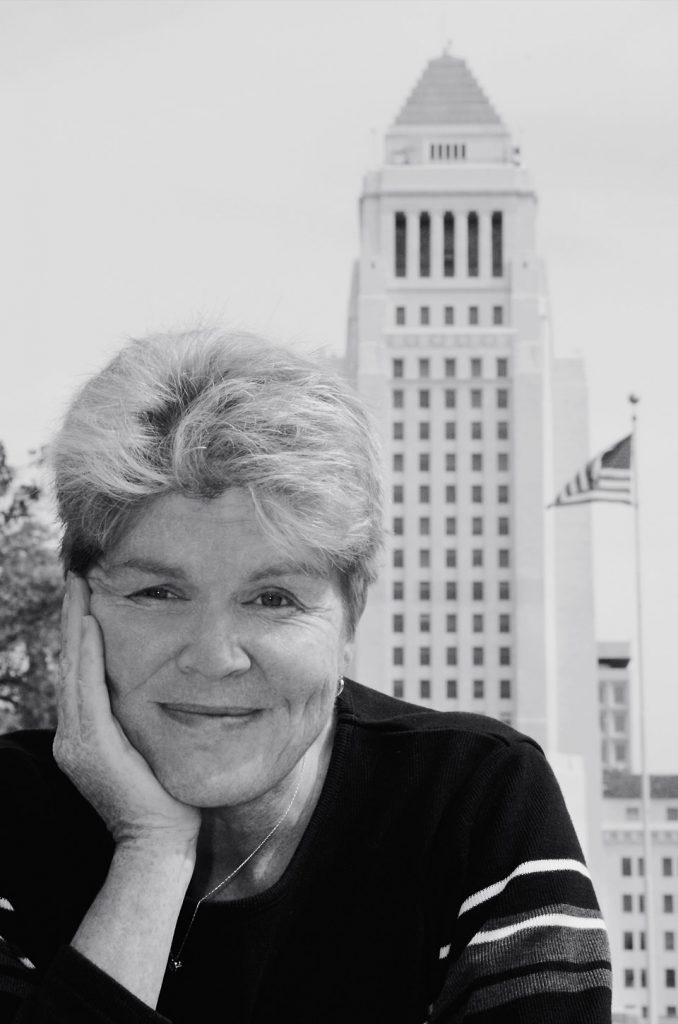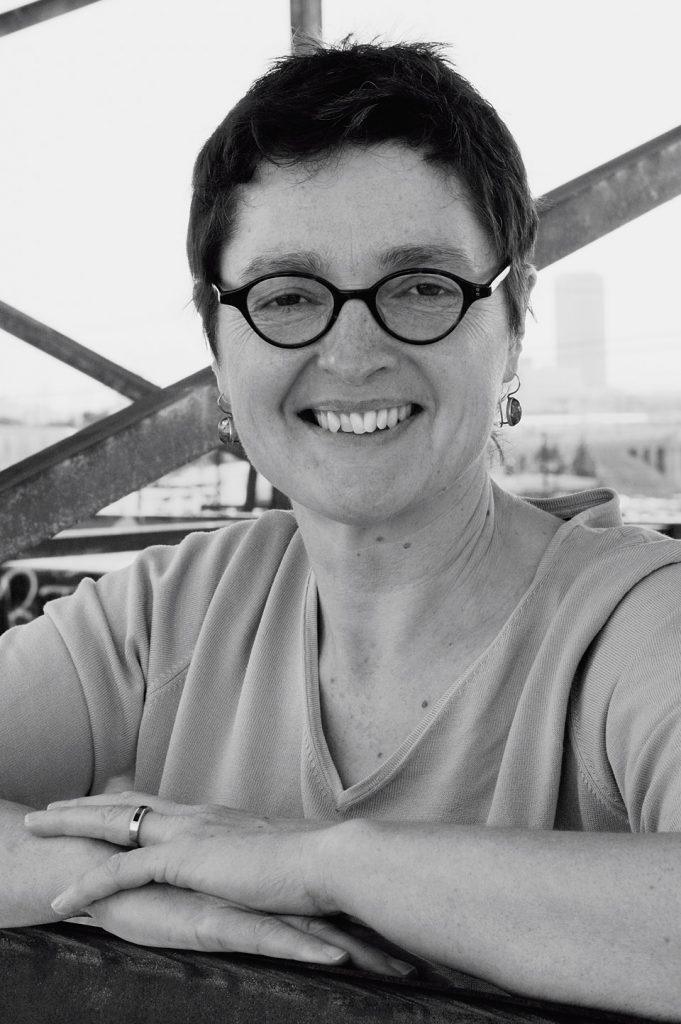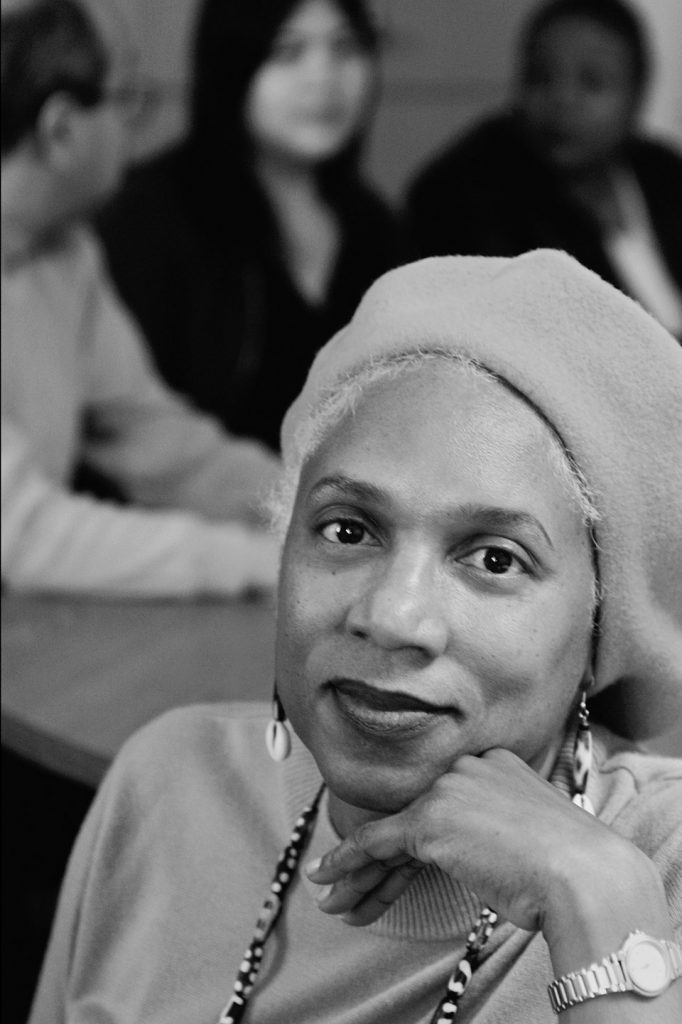
Norma Mtume is the former Associate Director and Chief Financial Officer of SHIELDS for Families, a South Los Angeles family service agency providing mental health and substance abuse treatment, housing, and vocational and child development services. A co-founder of five nonprofit organizations throughout her career, Norma was concerned about replenishing the graying leadership in the nonprofit sector.
“I believe that more energy needs to be expended to develop and nurture future nonprofit executives. This fellowship will allow me time away from my regular duties to conduct research and develop a Young Executives Mentoring and Coaching Institute to train future nonprofit executives, with an emphasis on reaching out to young people of color in my community of South Los Angeles.”
* Norma is now consulting in semi-retirement.
Fellowship Summary
My project as a 2006-2007 Durfee Stanton Fellowship recipient was to conduct research on the “graying” leadership in the nonprofit sector and to create and test a training model that would help to prepare future nonprofit executives. I emphasized reaching out to young people of color in my community of South Los Angeles.
The leadership at my agency had been discussing the exodus of several nonprofit executives in our community and thought it prudent to begin to create a program that would ensure our agency’s continuance in excellence and innovation after other leaders and I leave our positions. It seemed fitting to begin at my agency because our current executive management team perfectly fit the description of “baby boomers.” We felt that the Durfee Stanton Fellowship would be a great opportunity for one of us to take some time to look at this issue and develop a plan that would benefit not only our agency but other nonprofits in our South Los Angeles community.
After being selected as a Stanton Fellow, I began by contacting and interviewing leaders in the sector to discuss the project goals and to get input regarding what they perceived the leadership needs were. My ongoing task was to conduct research on the anticipated extent of the leadership loss in the sector. After several interviews and discussions, along with literature reviews, I was certain that this issue is prevalent. Research indicated that as many as 75% of the nonprofit executives interviewed planned to leave their jobs within the next five years. Five years had already passed since the publishing of two of the most prominent studies, and I was already witnessing the projected outcomes.
Many hours were spent obtaining information on existing programs that specialize in preparing individuals for leadership positions in the nonprofit and government sectors. I wanted to replicate some aspects of these programs in our community. In addition, I conducted focus groups with nonprofit executives, managers, and line staff. I also attended conferences focused on leadership to glean from those venues. The wide variety of perspectives and expertise helped me create a list of pertinent training topics that would be used as a pilot with my agency’s promising staff.
The pilot was then created by recruiting facilitators to complete two days of training at which they covered five of the pertinent topics generated through findings of the Fellowship. The feedback was positive, and the participants have been asking for additional training and suggesting other topics. Fortunately, funding has been secured, and this pilot will be expanded to agencies outside of my own in 2008.
During my Fellowship, I have learned that:
1) Many agencies in our community have yet to move forward with new leadership planning for a number of reasons. There is much work to be done to help move this process along, specifically in the area of improved intergenerational communication. Although many executives may be leaving their jobs, many will remain for several years to come. These executives must work together with the newer, younger leaders to ensure the continued success of the sector. I believe the implementation of my pilot project will be of great benefit to agencies who participate in the training, forums, and other activities that might develop as a result of the project.
2) There are a number of organizations already providing nonprofit leadership training for their particular disciplines, though not for the sector as a whole. I had very little knowledge of any of this information prior to this Fellowship.
3) Contrary to what several current executives have stated, there are many Gen X and Y individuals who are passionate about nonprofit work. We just need to find new ways to work together, and I foresee the process including “old execs learning new tricks.”
Throughout this process, I had a small group of supporters and advisors, without whom I could not have successfully completed this project. To all of them, including The Durfee Foundation, I wish to say thank you on behalf of myself and of the individuals, agencies, and communities that will benefit from my experience as a Durfee Stanton Fellow.