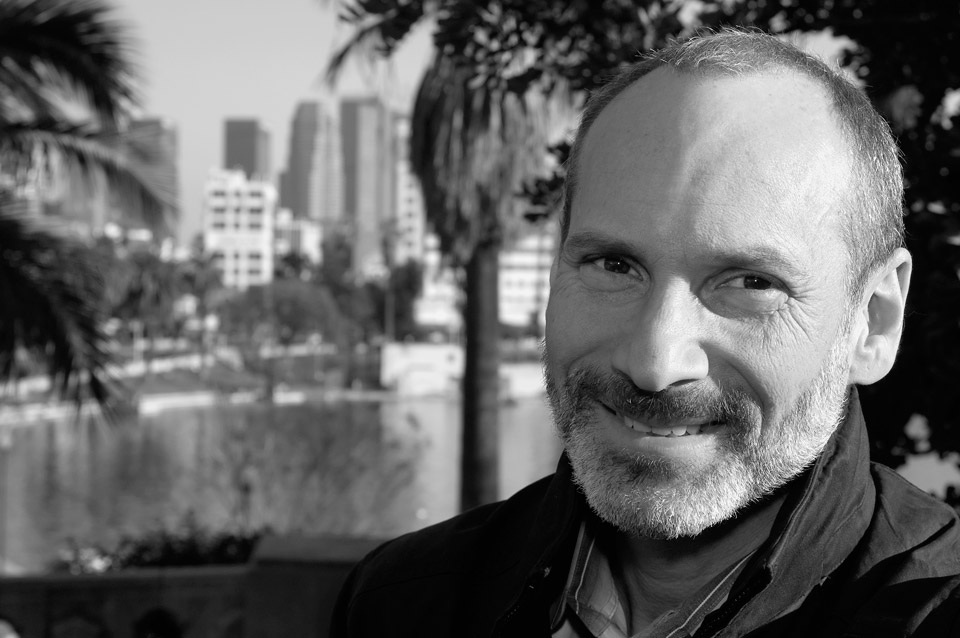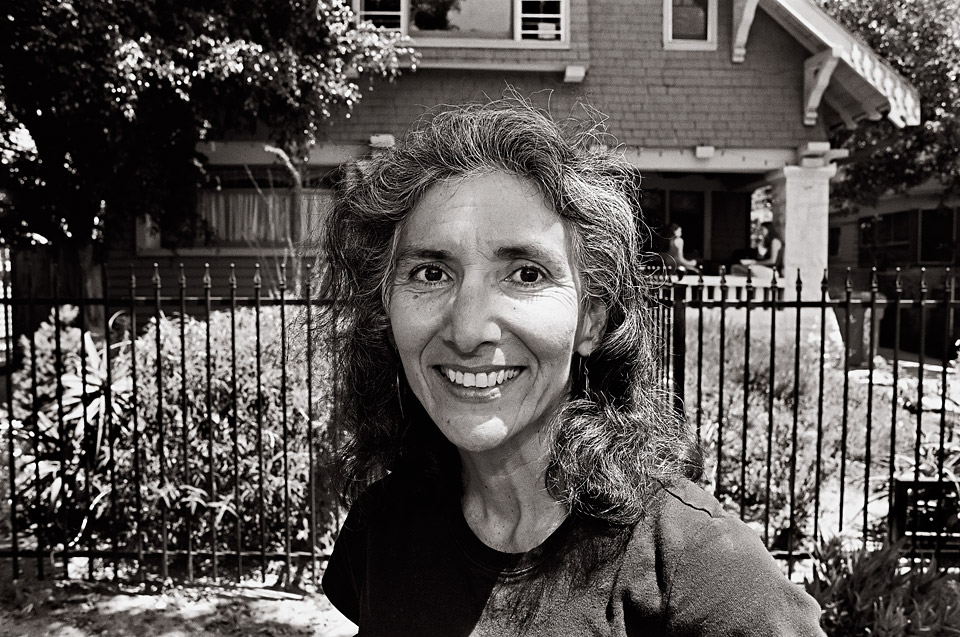
Elwood Hopkins is the former Managing Director of Emerging Markets, Inc., which worked with major industries in Los Angeles to familiarize them with low-income neighborhoods, overcome their avoidance of doing business there, and partner with communities productively. For his inquiry, Elwood used the same approach—which has been successful with mainstream financial services—to try to locate supermarkets in low-income neighborhoods.
* Elwood transitioned out of his role at Emerging Markets, Inc. in 2020.
Fellowship Summary
The Challenge
My Stanton Fellowship was driven by my concern about the prevalence of “food deserts” in Los Angeles—low-income areas with little or no access to supermarkets.
As major supermarket chains have followed the out-migration of urban populations to wealthier suburbs over the past five decades, a substantial “grocery gap” has emerged between rich and poor neighborhoods. Disenfranchised low-income and minority residents find healthy foods inaccessible because of inflated prices or unreachable store locations. Instead of supermarkets, these neighborhoods are inundated with fast food restaurants and convenience stores, contributing substantially to epidemic health problems like obesity, diabetes, cancer, and cardiovascular disease.
At the same time, supermarkets make up one of the largest retailing industries in Los Angeles County, boasting roughly 2,200 establishments, 80,000 employees, and $14 billion in annual sales. Why aren’t they located in low-income neighborhoods? What can be done to get them there?
My Stanton Fellowship Journey
I set out to completely immerse myself in the supermarket industry. I enlisted an industrial economist and research associate to help me understand the size and breadth of the supermarket sector, as well as the trends affecting it today. Traveling around the country, I attended the National Grocers Association (NGA) and other supermarket trade association meetings. I also interviewed supermarket executives to understand their business models and the barriers that prevent them from opening in low-income neighborhoods.
Next, I mapped out the landscape of organizations that are already working in some way to increase the number of supermarkets in low-income Los Angeles communities. They include: the Occidental College Center for Food and Justice, the UCLA Center for Health Policy Research, the Alliance for Healthy and Responsible Grocery Stores, the Los Angeles Alliance for a New Economy (LAANE), Community Health Councils, Inc. (CHC), Healthy Eating, Active Communities (HEAC), the Community Food Security Coalition, the Local Initiatives Support Coalition (LISC), and the Community Redevelopment Agency of Los Angeles (CRA/LA). My goal was to understand the role that each plays in promoting supermarkets and to ask them if they could see a niche role for my organization, Emerging Markets, Inc., to play.
In the end, we concluded that there was definitely a role for Emerging Markets, Inc. to play—that of an industry “insider,” a consulting firm that could help supermarkets develop a business case for opening locations in low-income neighborhoods. At the same time, we have learned the important role that community groups can play in attracting supermarkets: by documenting their buying power, presenting it to supermarket executives, and committing to patronize supermarkets in their community.
I spent the remainder of my Fellowship formulating a set of specific services that my organization could provide to supermarkets: location scouting, market research, grassroots marketing strategies, partnership formation, and others. We developed collateral materials, branding, and staffing capacity. We also secured funds from additional foundations and the City of Los Angeles to help spark our growth.
Where Are We Now?
Emerging Markets, Inc. now has a full-fledged supermarkets division. We are working with a number of supermarket clients, helping them to open supermarkets in low-income neighborhoods or improve the performance of existing supermarkets that are in danger of being closed. In the next few years, we will be able to point to numerous supermarkets we helped succeed and numerous “food deserts” that are no longer as bleak. None of it would have happened without my Stanton Fellowship.